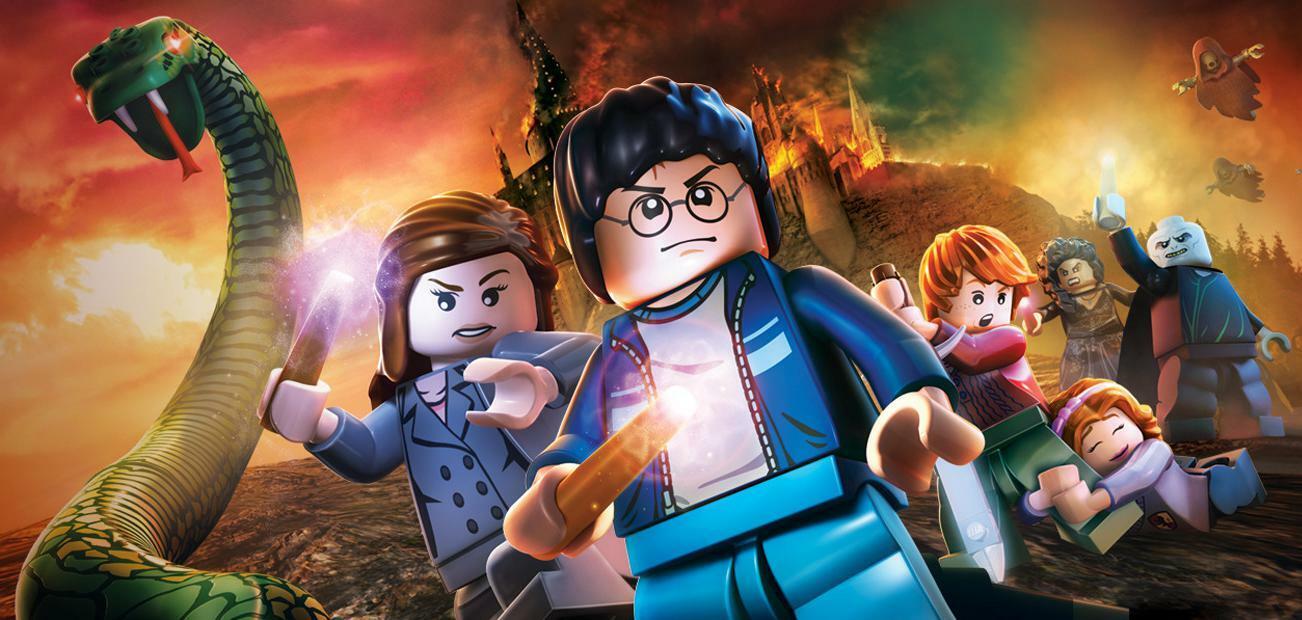
LEGO Harry Potter: Years 5-7
2011
The sourced concerns are substantially offset by delivered value.
What counts as a cash grab?
Commercial extraction prioritized over meaningful consumer or creative value. Profit, popularity, adaptations, sequels, remakes, high budgets, and normal marketing do not count by themselves.
Why?
Contemporary coverage of LEGO Harry Potter: Years 5-7 does not show evidence of predatory monetization or pay-to-win practices, reviewers treated it as a full retail release rather than a microtransaction-driven product. Critics repeatedly described the title as a mechanically familiar continuation of Traveller's Tales LEGO formula, noting limited novelty versus the prior Years 1-4 entry. At the same time major outlets praised the game for substantial playable content, level design detail, and generally favorable aggregate scores, which weigh against a simple cash grab interpretation.
- No contemporaneous reporting or reviews identify microtransactions or predatory monetization in the 2011 release.
- Multiple reputable reviews describe the game as largely formulaic and like the second half of the same product, indicating reuse of mechanics.
- Major outlets praised level detail and scope covering Years 5 through 7, supporting substantive new content.
View full breakdownHide full breakdown
- The game was a full multi-platform retail release and later bundled in collections, indicating a complete consumer product.
Score factors
| Direction | Factor | Evidence | Impact |
|---|---|---|---|
| For | Formulaic mechanics and continuity with prior game | Multiple reviews described Years 5-7 as mechanically similar to previous LEGO titles and in places like a continuation rather than a distinct sequel, indicating low novelty and reuse of established systems.[1][4] | +18 |
| Against | Significant playable scope and positive craftsmanship notes | Reviews from major outlets praise the game's detailed recreation of Hogwarts, content variety, and overall value, indicating substantial new content and production effort.[2][3] | -16 |
| For | No reported predatory monetization | Contemporary major reviews and launch coverage do not report in-app purchases, microtransactions, or paywalls for core content in the 2011 release.[2][1][3] | +15 |
| Against | Full retail multi-platform release and later bundling | The game launched as a full retail release across many platforms and was later bundled in a remastered collection, consistent with a complete consumer product rather than a deceptive or rushed cash-in.[6][5] | -9 |
| For | Leveraging franchise continuation | The title explicitly covers Years 5 through 7 as the second half of the Harry Potter LEGO adaptation, which reviewers noted felt like the remaining sections of the same arc rather than a wholly new direction.[6][5] | +8 |
Confidence: High · Contemporary reviews and documentation from reputable outlets provide direct coverage of content, release, and monetization with no sign of predatory practices, the main gap is absence of internal studio financial intent or undisclosed platform-specific promotions. · Researched 2026-09-27
Sources reviewed
- [1]www.theguardian.com
- [2]www.gamespot.com
- [3]www.metacritic.com
- [4]www.pocketgamer.com
- [5]www.gamespot.com
- [6]en.wikipedia.org
- [7]www.gamespot.com
- [8]bacol.todayz.workers.dev
- [9]www.pocketgamer.com
- [10]www.metacritic.com
View 12 more sourcesShow fewer sources
What does the community think?
The AI sees low cash-grab risk. What's your read?
Loading community verdict…