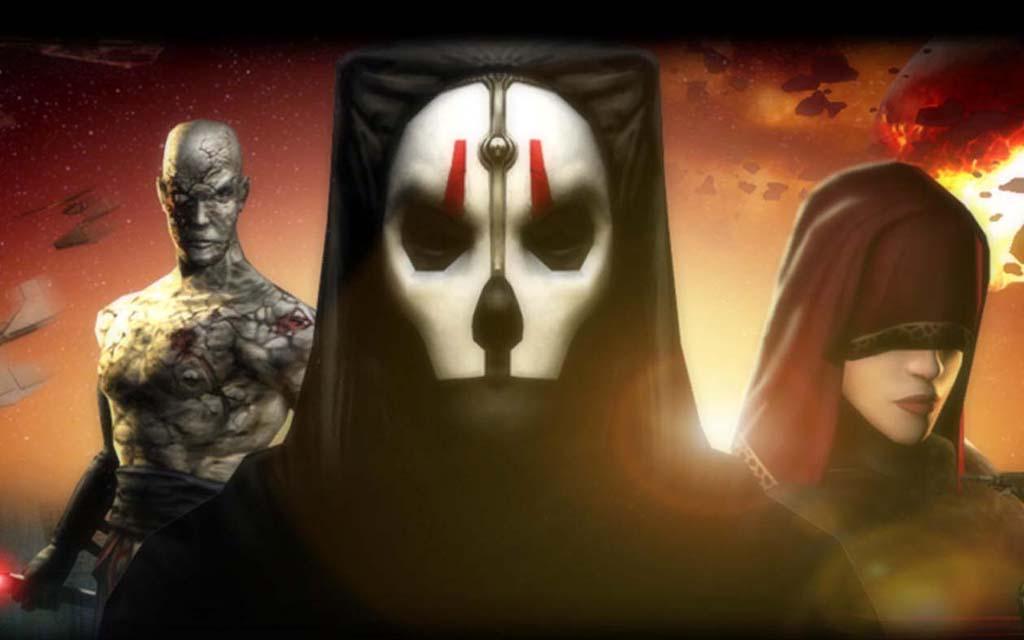
Star Wars: Knights of the Old Republic II – The Sith Lords
2004
There are sourced concerns, but the case is limited.
What counts as a cash grab?
Commercial extraction prioritized over meaningful consumer or creative value. Profit, popularity, adaptations, sequels, remakes, high budgets, and normal marketing do not count by themselves.
Why?
Star Wars: Knights of the Old Republic II The Sith Lords (Obsidian, published by LucasArts, released Dec 6, 2004) is widely praised for its narrative ambition, moral complexity, and RPG systems, but contemporary reporting and long-term coverage document a compressed development schedule, numerous bugs, and substantial cut content left in the shipped product. Fan teams produced a large Restored Content Mod to reinstate missing quests and fix stability issues. There is no clear contemporaneous evidence the release used predatory monetization or deliberate price gouging.
- Contemporary reporting and retrospectives document a rushed 14-16 month development schedule and cut content.
- A major community Restored Content Mod exists because significant story material and bug fixes were absent at launch.
- Professional reviews and aggregators show generally favorable critical reception and praise for writing and design.
View full breakdownHide full breakdown
- No reliable sources show exploitative monetization, paid gouging, or intentional deceptive pricing tied to the original release.
Score factors
| Direction | Factor | Evidence | Impact |
|---|---|---|---|
| For | Community restored content and fixes | A long-running volunteer project, The Sith Lords Restored Content Mod, was created to restore omitted quests, dialog and to fix many launch bugs.[2][1] | +20 |
| Against | Substantive new content and critical praise | Contemporary reviews and later retrospectives consistently praised the game’s narrative ambition, moral complexity, and RPG systems, indicating substantial creative value despite the rushed release.[4][3] | -17 |
| For | Rushed release and cut content | Multiple reports state LucasArts gave Obsidian a short 14-16 month schedule and the retail game shipped with large amounts of cut content and bugs.[6][5] | +14 |
| For | Publisher deadline to capitalize on prior success | Reporting and reference histories indicate LucasArts accelerated the sequel to capitalize on the first game's success, contributing to Obsidian's short development window.[7] | +9 |
Confidence: High · There are multiple reputable contemporaneous and retrospective sources documenting the rushed schedule and cut content, plus well‑archived reviews showing significant creative merit; gaps remain only around later port pricing decisions which lack evidence of predatory intent. · Researched 2026-09-30
Sources reviewed
- [1]en.wikipedia.org
- [2]www.moddb.com
- [3]www.pcgamer.com
- [4]www.gamespot.com
- [5]www.pcgamer.com
- [6]arstechnica.com
- [7]www.gamesradar.com
- [8]strategywiki.org
- [9]steamcommunity.com
- [10]www.moddb.com
View 24 more sourcesShow fewer sources
- [11]www.gamespot.com
- [12]store.steampowered.com
- [13]en.wikipedia.org
- [14]www.team-gizka.org
- [15]www.pcworld.com
- [16]www.gamespot.com
- [17]www.gamespot.com
- [18]www.gamespot.com
- [19]www.gamespot.com
- [20]www.gamespot.com
- [21]www.gamespot.com
- [22]www.gamespot.com
- [23]gamefaqs.gamespot.com
- [24]gamefaqs.gamespot.com
- [25]www.metacritic.com
- [26]gamefaqs.gamespot.com
- [27]zh.wikipedia.org
- [28]en.wikipedia.org
- [29]www.reddit.com
- [30]es.wikipedia.org
- [31]en.wikipedia.org
- [32]www.cgwmuseum.org
- [33]unglueit-files.s3.amazonaws.com
- [34]en.wikipedia.org
What does the community think?
The AI found some cash-grab signs. What's your read?
Loading community verdict…