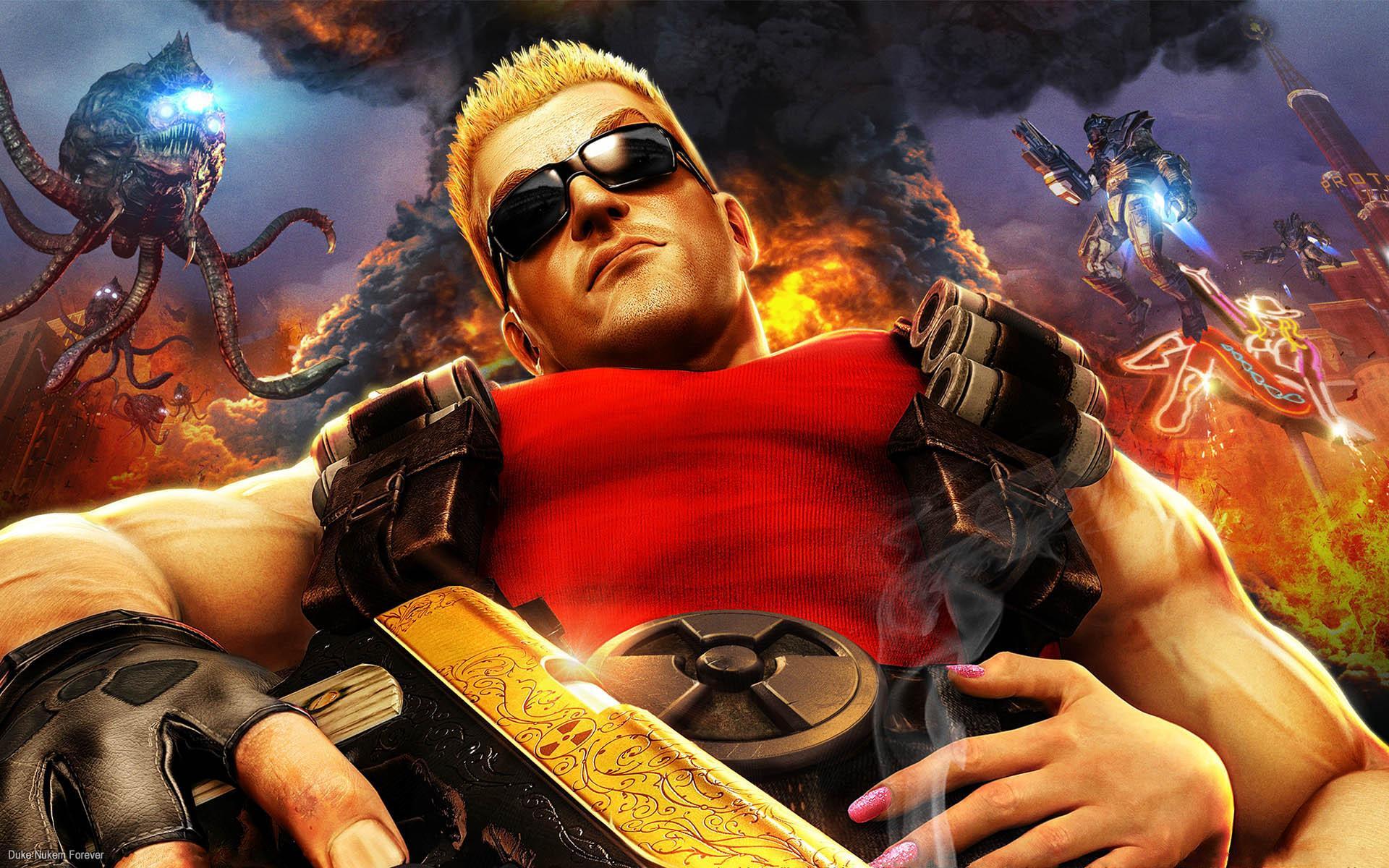
Duke Nukem Forever
2011
Several sourced extraction signals remain unresolved.
What counts as a cash grab?
Commercial extraction prioritized over meaningful consumer or creative value. Profit, popularity, adaptations, sequels, remakes, high budgets, and normal marketing do not count by themselves.
Why?
Duke Nukem Forever launched in 2011 after more than a decade of troubled development, a publisher lawsuit, and a studio transition to Gearbox, and was widely criticized on release for dated design, technical problems, and recycled content. Contemporary reviews called out many weapons and enemies as carryovers from earlier Duke games, frequent performance and visual issues, and writing that relied on misogynistic jokes rather than substantive new material. I found no credible reporting that the release used predatory microtransactions at launch, but critics frequently said the finished product did not justify a full-price release.
- Very long troubled development with 3D Realms collapse, Take-Two legal action, then Gearbox finishing the game.
- Contemporary major reviews described reused weapons and old design elements carried over from Duke 3D.
- Multiple reviews documented technical problems, ugly visuals, and pacing that made the product feel stitched together.
View full breakdownHide full breakdown
- No credible evidence of predatory monetization or microtransactions at initial 2011 launch was found.
Score factors
| Direction | Factor | Evidence | Impact |
|---|---|---|---|
| For | Reused weapons and enemies | Major reviews note that many foes and most guns are effectively the same as in Duke Nukem 3D, indicating substantial reuse of earlier design elements.[1][2] | +21 |
| For | Performance and visual shortcomings | Contemporary reviews documented frequent frame-rate stutters, texture pop-in, poor visuals, and awkward pacing that reviewers described as making the game feel 'stitched together' or 'thrown-together'.[1][2] | +14 |
| For | Troubled long development | Duke Nukem Forever spent over a decade in development, 3D Realms faced layoffs and legal action, and Take-Two shifted the project to Gearbox before the 2011 release.[4][3][5] | +12 |
| For | Critics said not worth full price | Several reviews explicitly remarked that the game sold at full retail price despite its flaws and suggested it would quickly hit the bargain bin, implying a price versus value mismatch in critical reception.[1][6] | +12 |
| Against | Gearbox finished the project | Reporting indicates Gearbox took over completion and released the finished product, which included work to integrate and complete previously developed sections rather than being a purely reissued build.[7][3] | -9 |
| For | Release leveraged long-term hype | Press coverage and reviews emphasized the game's long 'vaporware' history and used the Duke brand and prolonged hype as a central selling point for the 2011 release.[8][3] | +8 |
Confidence: High · Contemporary major reviews and development-history reporting provide consistent, specific evidence about reuse, technical flaws, hype, and the lack of reported predatory monetization, though internal publisher financial disclosures were not available in my sources. · Researched 2026-08-24
Sources reviewed
- [1]www.gamespot.com
- [2]www.pcgamer.com
- [3]arstechnica.com
- [4]kotaku.com
- [5]en.wikipedia.org
- [6]www.engadget.com
- [7]kotaku.com
- [8]kotaku.com
- [9]en.wikipedia.org
- [10]www.gamespot.com
View 14 more sourcesShow fewer sources
- [11]www.youtube.com
- [12]en.wikipedia.org
- [13]en.wikipedia.org
- [14]gamefaqs.gamespot.com
- [15]kotaku.com
- [16]www.youtube.com
- [17]en.wikipedia.org
- [18]en.wikipedia.org
- [19]tropedia.fandom.com
- [20]www.gamespot.com
- [21]www.minotstateu.edu
- [22]www.nag.co.za
- [23]www.critic.co.nz
- [24]www.ign.com
What does the community think?
The AI found concerning cash-grab signs. What's your read?
Loading community verdict…