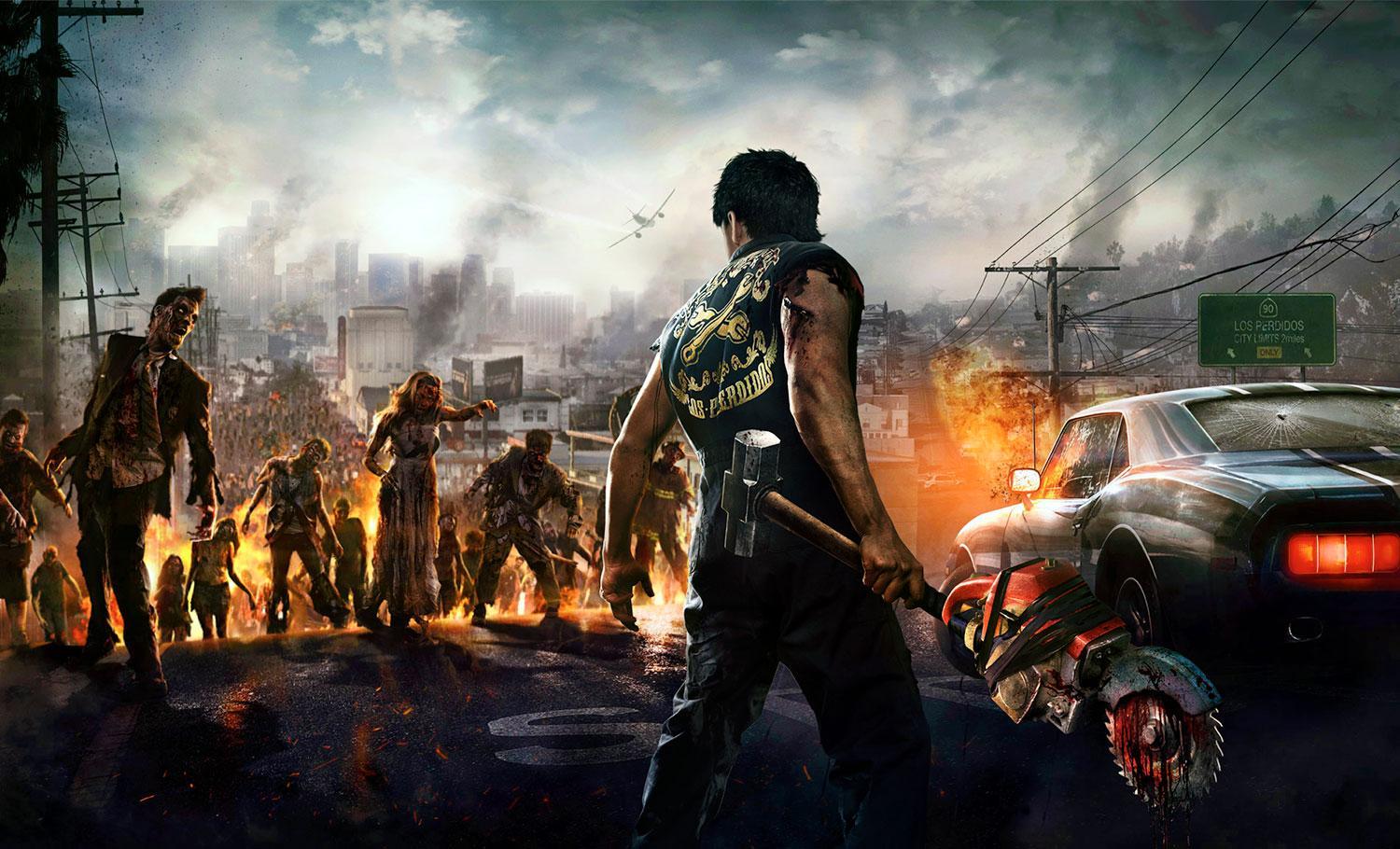
Dead Rising 3
2013
The sourced concerns are substantially offset by delivered value.
What counts as a cash grab?
Commercial extraction prioritized over meaningful consumer or creative value. Profit, popularity, adaptations, sequels, remakes, high budgets, and normal marketing do not count by themselves.
Why?
Dead Rising 3 launched as a high-profile Xbox One exclusive in November 2013 and was supported with paid DLC and a season pass. Contemporary reviews praised its large open world, weapon-crafting systems, and scale while also calling out technical hiccups and a tonal shift toward broader action. I found clear commercial signals in platform exclusivity and explicit paid-DLC offerings, however I did not find evidence of predatory microtransactions, deceptive pricing practices, or fraudulent reuse that would by themselves prove the title was a cash grab.
- Launched as an Xbox One exclusive, a commercial partnership that aligned the game with platform sales incentives.
- Capcom and storefront listings documented paid DLC and a $29.99 season pass at launch.
- Multiple reviews praised substantive new content, scale, and weapon crafting, indicating significant production work.
View full breakdownHide full breakdown
- Contemporary criticism focused on technical issues and a mainstream tonal shift, not explicit predatory monetization.
Score factors
| Direction | Factor | Evidence | Impact |
|---|---|---|---|
| For | Paid DLC and season pass | Store listings and Capcom’s materials show a season pass and planned DLC, with the Xbox Store listing the Dead Rising 3 Season Pass at $29.99.[3][4] | +14 |
| Against | Scale and weapon-crafting | Contemporary reviews praised Dead Rising 3’s large open world, impressive zombie scale, and weapon-crafting systems as substantive new gameplay content.[1][2] | -14 |
| For | Platform exclusivity | Capcom announced Dead Rising 3 as an Xbox One exclusive at E3 2013, tying the title to Microsoft’s platform launch strategy.[5] | +9 |
| Against | Critical reception and replay value | Aggregate reviews and scores show generally positive reception citing replayability and entertainment value, indicating consumer value beyond simple monetization.[6] | -9 |
| For | Design shift toward mainstream action | Coverage noted the game moved toward a broader, more mainstream action style compared with earlier, more satirical entries, an artistic choice critics linked to commercial positioning.[7] | +7 |
| For | Technical issues at launch | Multiple reviews documented technical hiccups, slowdown, and rough presentation at launch, which some critics treated as signs of rushed execution for a console launch title.[1][8] | +6 |
Confidence: Medium · The evidence set includes reputable contemporary reviews and official store/Capcom documentation showing exclusivity and paid DLC, but I found no authoritative sources documenting predatory microtransactions, deceptive pricing, or deliberate low-effort reuse, leaving some extraction questions unreso · Researched 2026-08-27
Sources reviewed
- [1]www.gamespot.com
- [2]en.wikipedia.org
- [3]www.xbox.com
- [4]www.capcom.co.jp
- [5]www.gamespot.com
- [6]www.metacritic.com
- [7]www.gamespot.com
- [8]www.theguardian.com
- [9]www.techspot.com
- [10]www.gamespot.com
View 11 more sourcesShow fewer sources
What does the community think?
The AI sees low cash-grab risk. What's your read?
Loading community verdict…