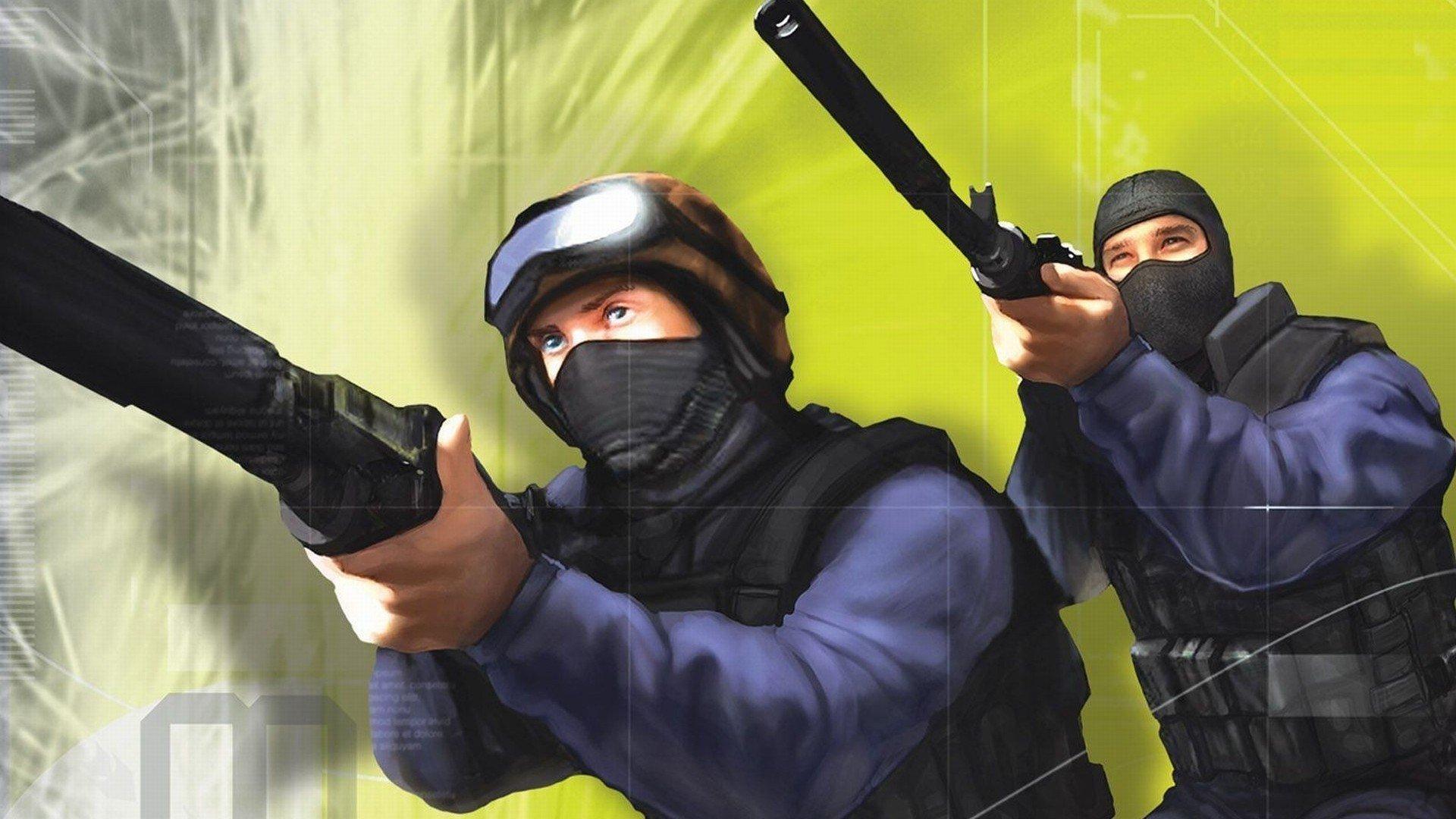
Counter-Strike: Condition Zero
2004
The sourced concerns are substantially offset by delivered value.
What counts as a cash grab?
Commercial extraction prioritized over meaningful consumer or creative value. Profit, popularity, adaptations, sequels, remakes, high budgets, and normal marketing do not count by themselves.
Why?
Counter-Strike: Condition Zero launched March 23, 2004 after a multi-year, multi-studio development history, and critics widely noted the single-player content largely reused Counter-Strike multiplayer maps and AI bots rather than delivering a fully original, polished narrative campaign. Reported development handoffs left Ritual’s story-driven Deleted Scenes as separate content while Turtle Rock implemented the Tour of Duty arcade-style mode. At the same time the release added offline bots, new challenges, and some new weapons, and there is no evidence of predatory monetization or pay-to-win features.
- Development moved between multiple studios and substantial content was cut or repurposed during production.
- Contemporary reviews characterized much of the single-player as multiplayer matches with AI bots, and Deleted Scenes was presented as separately developed content.
- The product did introduce offline bots, a Tour of Duty mode, Deleted Scenes missions, and some new weapons, indicating nontrivial added content.
View full breakdownHide full breakdown
- No credible sources report exploitative monetization, microtransactions, or deceptive pricing at release.
Score factors
| Direction | Factor | Evidence | Impact |
|---|---|---|---|
| For | Single-player mostly multiplayer with bots | Major reviews described the single-player modes as essentially multiplayer matches with computer-controlled bots and noted that Deleted Scenes felt heavily scripted and unlike classic Counter-Strike.[2][3] | +18 |
| Against | Added single-player modes and AI bots | The release included Tour of Duty, Deleted Scenes, offline bots, new challenges, and some new weapons, representing substantive new content and engineering work beyond a mere repackage.[4][5] | -13 |
| For | Prolonged, multi-studio development | The title passed between multiple developers including Rogue, Gearbox, Ritual, and Turtle Rock before its March 23, 2004 release, with content being cut and reworked during that process.[1][6] | +11 |
| Against | Mixed critical response | The game received mixed reviews and an aggregate score around the mid 60s, indicating critics found both notable shortcomings and some useful innovations.[1][2] | -10 |
| For | Deleted Scenes as repurposed bonus content | Ritual’s story-driven Deleted Scenes were separated from the main Tour of Duty mode and presented as a distinct component, evidence of repurposed or cut content being bundled into the release.[1][7] | +9 |
| Against | No evidence of exploitative monetization | Contemporary and archival sources describe Condition Zero as a standard retail release with no reported microtransactions, DLC monetization schemes, or pay-to-win mechanisms at launch.[1][2] | -9 |
Confidence: High · Contemporary reviews, developer and archival documentation, and multiple retrospective sources specifically describe the development handoffs, the nature of the single-player modes, and the lack of any predatory monetization, though internal financial motives of publishers are not publicly documente · Researched 2026-09-08
Sources reviewed
- [1]en.wikipedia.org
- [2]www.gamespot.com
- [3]www.gamespot.com
- [4]www.gamespot.com
- [5]valvearchive.com
- [6]liquipedia.net
- [7]counterstrike.fandom.com
- [8]www.metacritic.com
- [9]www.gamespot.com
- [10]counterstrike.fandom.com
View 12 more sourcesShow fewer sources
What does the community think?
The AI sees low cash-grab risk. What's your read?
Loading community verdict…