Baldur's Gate III vs Persona 4: Dancing All Night: Which Is More Woke?
Baldur's Gate III appears more woke than Persona 4: Dancing All Night based on AI analysis, with a difference of about 8 points. Community votes are split or too thin to call a clear winner yet.
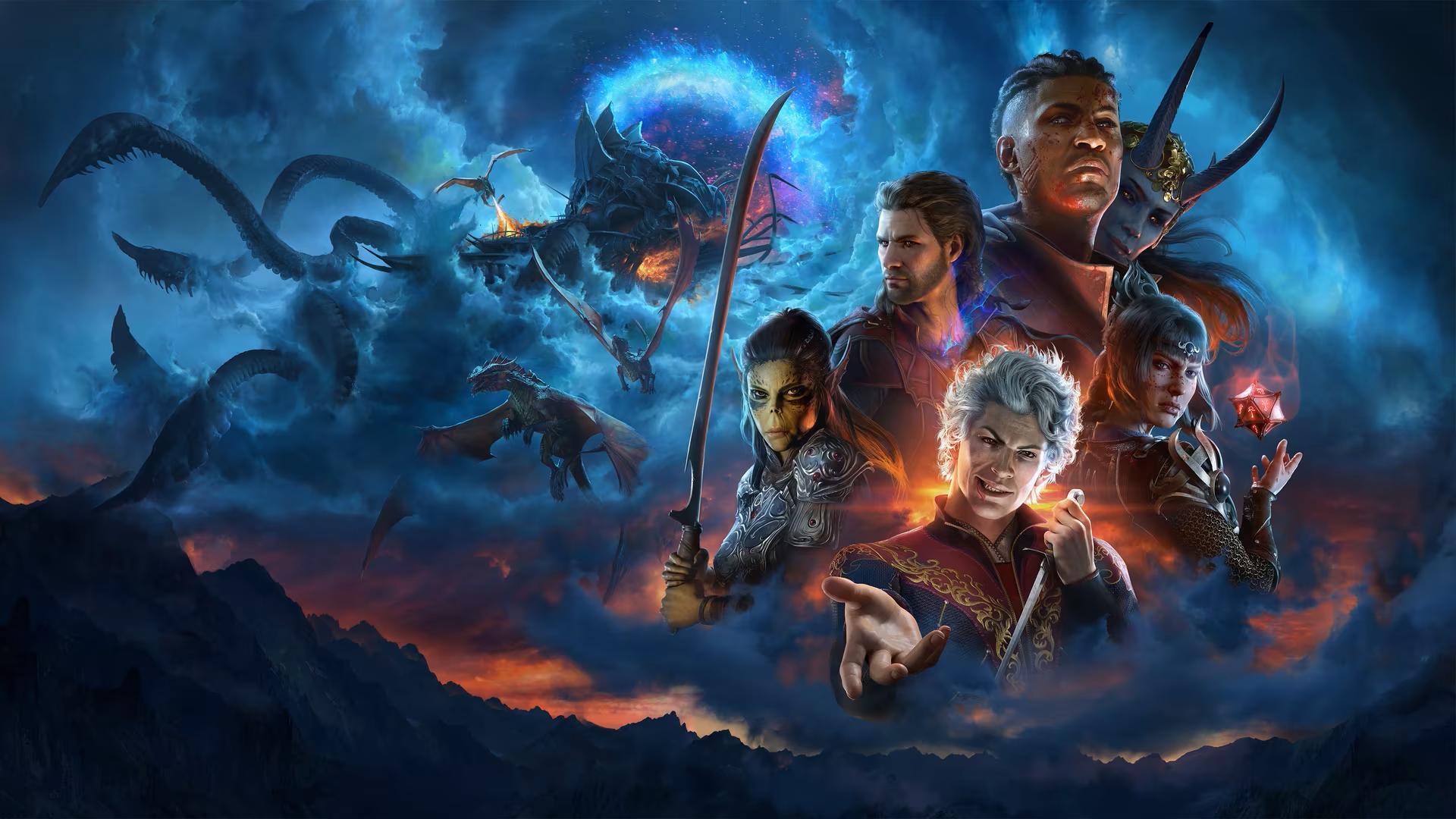
Community (votes): ~73/100
See full breakdown for Baldur's Gate III
Community (votes): not enough data yet
See full breakdown for Persona 4: Dancing All NightAI vs community
AI verdict
Baldur's Gate III is more woke than Persona 4: Dancing All Night (AI).
Baldur's Gate III leads by 8 points on the AI scale.
Community verdict
Community averages are too close to call (or one side has no votes yet).
Why the scores diverge
- The 8-point gap reflects how much ideology steers each story on our six-dimension pass, not just vibes.
- Baldur's Gate III highlight: Dialogue serves the story, with only occasional messaging.
- Persona 4: Dancing All Night highlight: The dialogue serves the playful, upbeat tone rather than pushing an agenda.
- Baldur's Gate III: Characters are well-developed, though some may feel like they fit a modern archetype.
- Persona 4: Dancing All Night: Characters feel like natural extensions of the original game, not mere symbols.
Baldur's Gate III reads higher on ideology over story than Persona 4: Dancing All Night, which nudges the overall profile message-forward. Baldur's Gate III reads higher on modern politics injection than Persona 4: Dancing All Night, which nudges the overall profile message-forward. Baldur's Gate III reads higher on protected protagonist pattern than Persona 4: Dancing All Night, which nudges the overall profile message-forward.
Browse more
More comparisons
Trending now
Frequently asked questions
- Which is more woke, Baldur's Gate III or Persona 4: Dancing All Night?
- Baldur's Gate III scores higher on the AI pass (16/100 vs 8/100).
- What do community votes say?
- Community averages are within the tie band or too close to call (73 vs n/a on our vote-weighted scale).
- Why might AI and votes disagree?
- AI scores come from a structured model pass; votes capture how people read the politics or messaging. Trailers, culture-war framing, and release timing can push votes away from the model.