The Last of Us vs Bleach: Which Is More Woke?
Share this comparison
The Last of Us appears more woke than Bleach based on AI analysis, with a difference of about 19 points. Community votes are split or too thin to call a clear winner yet.
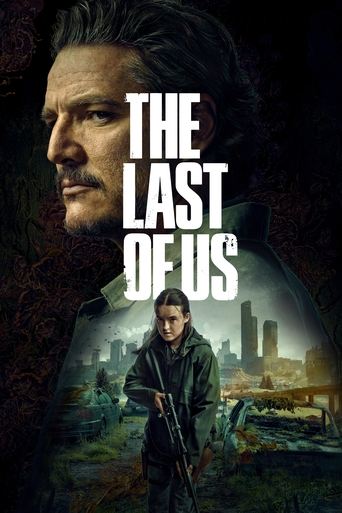
32Score
Very Little WokeCommunity (votes): ~90/100
See full breakdown for The Last of Us
13Score
Peak TelevisionCommunity (votes): not enough data yet
See full breakdown for BleachAI vs community
AI verdict
The Last of Us is more woke than Bleach (AI).
The Last of Us leads by 19 points on the AI scale.
Community verdict
Community averages are too close to call (or one side has no votes yet).
Why the scores diverge
- The 19-point gap reflects how much ideology steers each story on our six-dimension pass, not just vibes.
- The Last of Us highlight: Dialogue occasionally veers into overt messaging, but it generally serves the narrative.
- Bleach highlight: The dialogue serves the story rather than pushing an agenda.
- The Last of Us: Characters are well-developed and not merely symbols of representation.
- Bleach: Characters are primarily defined by their roles in the narrative, not as symbols.
The Last of Us reads higher on message-first dialogue than Bleach, which nudges the overall profile message-forward. The Last of Us reads higher on legacy rewriting than Bleach, which nudges the overall profile message-forward. The Last of Us reads higher on modern politics injection than Bleach, which nudges the overall profile message-forward.
Browse more
More comparisons
Trending now
- BarbieTrending· movie
- The BoysTrending· tv
- Baldur's Gate IIITrending· game
- One Battle After AnotherTrending· movie
- PragmataTrending· game
Frequently asked questions
- Which is more woke, The Last of Us or Bleach?
- The Last of Us scores higher on the AI pass (32/100 vs 13/100).
- What do community votes say?
- Community averages are within the tie band or too close to call (90 vs n/a on our vote-weighted scale).
- Why might AI and votes disagree?
- AI scores come from a structured model pass; votes capture how people read the politics or messaging. Trailers, culture-war framing, and release timing can push votes away from the model.